MBBS Abroad 2026 Complete Guide for Indian Students
Table of Contents
Introduction
Embarking on a journey to study MBBS abroad in 2026 is one of the most significant and life-altering decisions for Indian medical aspirants. Every year, over 20,000 Indian students travel to countries like Russia, Uzbekistan, Kazakhstan, Kyrgyzstan, and Georgia to fulfill their dream of becoming a doctor. This comprehensive guide is designed to provide you with an in-depth understanding of every aspect of pursuing an MBBS degree overseas. We will cover eligibility, costs, university selection, visa processes, and what to expect during your time abroad, ensuring you are fully prepared for this remarkable educational endeavor.
With the intense competition for government medical seats in India and the exorbitant tuition fees demanded by private medical colleges, studying abroad has transitioned from being an alternative option to a primary choice for many ambitious students. The international medical education landscape has evolved significantly, with universities now offering state-of-the-art facilities, English-medium instruction, and curriculums aligned with global medical standards.

Medical students engaged in practical laboratory training.
Why Study MBBS Abroad?
The decision to pursue medical education outside of India is driven by a multitude of compelling factors. Here is a detailed exploration of why studying MBBS abroad is highly advantageous in 2026:
1. Exceptional Affordability and Return on Investment
The most prominent factor driving Indian students abroad is the cost. Private medical colleges in India can charge anywhere from ₹60 Lakhs to ₹1.5 Crores for an MBBS degree, often excluding hidden capitation fees. In stark contrast, top-tier medical universities in Central Asia and Eastern Europe offer the entire program for ₹15 Lakhs to ₹40 Lakhs. This transparent fee structure ensures that a high-quality medical education is accessible to a broader demographic, significantly reducing the financial burden on families.
2. World-Class Infrastructure and Clinical Facilities
Universities in countries like Russia and Georgia have invested heavily in modernizing their medical education infrastructure. Students have access to advanced simulation centers, massive anatomical museums, well-equipped laboratories, and extensive library resources. Furthermore, these universities are affiliated with massive government hospitals, providing students with unparalleled clinical exposure and hands-on experience from the early years of their education.
3. Global Recognition and Accreditations
Degrees obtained from NMC-approved universities are recognized globally. These institutions are listed in the World Directory of Medical Schools (WDOMS) and recognized by the World Health Organization (WHO), the Educational Commission for Foreign Medical Graduates (ECFMG) in the USA, and the Foundation for Advancement of International Medical Education and Research (FAIMER). This global recognition ensures that graduates can pursue medical licensure in India, the USA, the UK, Australia, and other major countries.
4. English-Medium Curriculum
A common misconception is that studying abroad requires learning complex foreign languages to understand medical concepts. However, all the universities recommended by DreamMed Abroad offer the complete MBBS curriculum in the English language. This ensures that Indian students can easily comprehend lectures, textbooks, and examinations. While learning the local language is encouraged for daily interactions and communicating with patients during clinical rotations, the core academic instruction remains entirely in English.
5. High Standard of Education and Student-to-Teacher Ratio
Foreign medical universities emphasize a practical and interactive approach to learning. The student-to-teacher ratio is deliberately kept low, typically around 10:1 or 12:1 in practical classes. This small group setting ensures that each student receives personalized attention from professors, facilitating better understanding, immediate doubt resolution, and closer mentorship.
6. Seamless Admission Process without Donations
Unlike the highly complex and often opaque admission processes in some private Indian institutions, foreign universities offer a streamlined and merit-based admission procedure. There are absolutely no hidden "donations" or capitation fees. Admissions are granted based on your 12th-grade academic performance and NEET qualification, making the process fair and transparent.
7. Global Exposure and Cultural Exchange
Studying abroad provides a unique opportunity to interact with students from diverse cultural backgrounds across the globe. This international exposure fosters a broader perspective, enhances adaptability, and builds a global network of future medical professionals. Navigating life in a foreign country also builds independence, resilience, and maturity—qualities that are invaluable for a practicing physician.

Modern university campuses offer exceptional facilities for international students.
Eligibility Criteria
To secure admission to an NMC-approved medical university abroad in 2026, Indian students must strictly adhere to the following eligibility criteria:
Academic Requirements
Subject Combination:* The student must have studied Physics, Chemistry, and Biology (PCB) in their 10+2 (12th standard) curriculum. English must also be a mandatory subject.
Minimum Marks (General Category):* An aggregate of at least 50% marks in Physics, Chemistry, and Biology combined in the 12th standard board examinations.
Minimum Marks (Reserved Categories):* For students belonging to SC, ST, or OBC categories, the minimum required aggregate in PCB is relaxed to 40%.
Age Requirements
* The applicant must be at least 17 years of age by the 31st of December in the year of admission. There is generally no strict upper age limit for applying to foreign medical universities, making it an excellent option for students who have taken gap years.
NEET Requirements
The National Eligibility cum Entrance Test (NEET) is a non-negotiable prerequisite for Indian students aiming to practice medicine in India after completing their degree abroad.
Mandatory Qualification:* The National Medical Commission (NMC) officially mandates that any Indian citizen intending to acquire a primary medical qualification from a foreign medical institution must qualify the NEET-UG examination.
Qualifying Cutoff:* Students do not need an exceptionally high score; they merely need to achieve the minimum qualifying percentile set for that academic year. Typically, this is the 50th percentile for the General category and the 40th percentile for SC/ST/OBC categories.
Validity:* The NEET scorecard is valid for a period of three years from the date of result declaration for the purpose of taking admission to an undergraduate medical course abroad.
Admission Process
The admission process for MBBS abroad is designed to be straightforward. When you partner with DreamMed Abroad, we handle the complexities, ensuring a smooth transition from application to arrival.
1. Initial Consultation and Profiling: We begin with a detailed counseling session to understand your academic background, career aspirations, and financial budget. Based on this profile, we recommend the most suitable universities.
2. University Shortlisting and Selection: We provide you with comprehensive details, including fee structures, accreditations, and campus facilities, for your shortlisted universities. You finalize the university that best aligns with your goals.
3. Document Submission and Application: You submit the required documentation (10th & 12th mark sheets, NEET scorecard, passport copy). Our dedicated team processes your application and submits it directly to the university's admission department.
4. Issuance of Admission Letter: Upon successful verification by the university, an official Admission Letter (or Offer Letter) is issued, typically within 7 to 15 working days.
5. Ministry Invitation and Visa Processing: We apply for the official student invitation letter from the respective country's Ministry of Education or Internal Affairs. Once received, we initiate the visa application process at the embassy in India.
6. Pre-Departure Briefing: Before you travel, we conduct a comprehensive briefing session covering what to pack, currency exchange, university rules, and what to expect upon arrival.
7. Travel and Arrival Assistance: We organize group departures from major Indian cities. Upon arrival at the destination country, our university representatives will be present at the airport to receive you, arrange transportation, and assist with hostel allocation.
Need Expert Guidance?
Get a fully transparent, customized fee estimate and university selection help.
Documents Required
Ensuring you have the correct documentation is vital. Here is the comprehensive checklist:
* Original 10th Standard Mark Sheet and Passing Certificate
* Original 12th Standard Mark Sheet and Passing Certificate
* Original NEET-UG Scorecard
* Original Passport (with a minimum validity of 18 months to 2 years)
* Birth Certificate (in English)
* Passport-size photographs (usually with a white background; exact specifications vary by country)
* Official Medical Fitness Certificate (including an HIV-negative report)
* Bank statement of the sponsor (parents/guardian) demonstrating sufficient funds
* Affidavit of Sponsorship (if applicable)
Note: Many countries require documents to be legally translated and apostilled/attested by the Ministry of External Affairs (MEA), Government of India. DreamMed Abroad manages this entire legalization process for you.
Visa Process
The student visa process varies depending on the destination country. DreamMed Abroad's visa experts handle this entirely to ensure a 100% success rate.
Russia
The Russian student visa requires a highly formalized process. The university applies to the Russian Ministry of Internal Affairs (GUVM) for an official electronic invitation letter. This process takes approximately 20-30 days. Once the invitation is issued, the visa application is submitted to the Russian Embassy or Consulate in India, which takes an additional 3-7 days.
Uzbekistan
Uzbekistan has significantly modernized its visa process. Many students are eligible for an e-visa or a simplified student visa process facilitated entirely by the university's international department. The turnaround time is generally faster, often within 7-14 days.
Kazakhstan
Similar to Russia, Kazakhstan requires an official invitation letter from the university approved by the Ministry of Internal Affairs. The visa is then processed through the Kazakhstan Embassy in New Delhi, taking about 15-20 days.
Kyrgyzstan
Kyrgyzstan offers one of the most streamlined visa procedures for Indian students. Often, an e-visa or a visa on arrival (pre-arranged by the university) is utilized, making the transition exceptionally smooth and quick.
Georgia
Georgia employs an e-visa system for initial entry, followed by the application for a Temporary Residence Permit (TRP) once the student arrives in the country. The documentation for Georgia is stringent and requires careful preparation of financial and educational records.
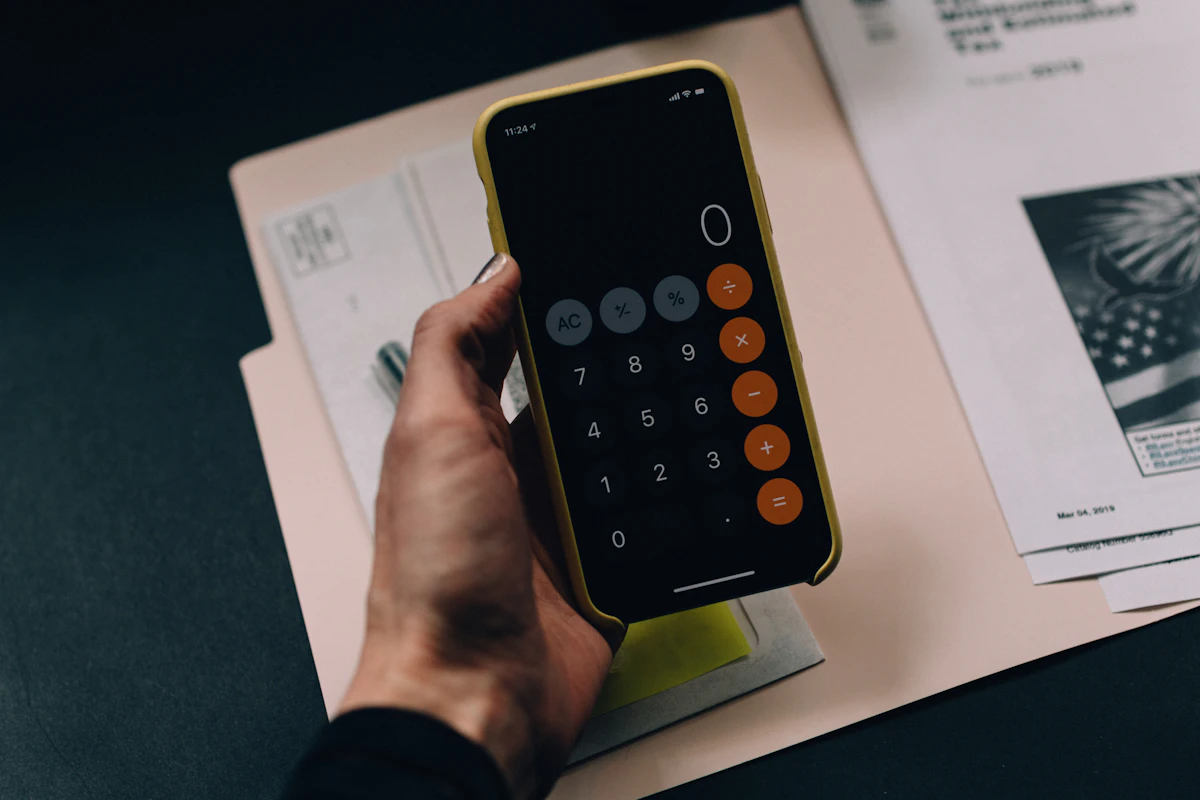
Expert assistance ensures a smooth and successful visa application process.
Best Countries for MBBS Abroad
Selecting the right country is as important as selecting the university. Here is an overview of the top destinations for Indian students in 2026:
Russia
Russia has a legacy of medical excellence spanning centuries. It is home to some of the world's most prestigious medical academies, recognized by global councils.
Pros:* World-class infrastructure, deep clinical exposure, massive affiliated hospitals, highly subsidized fees by the Russian government, large and established Indian communities.
Cons:* Extremely cold winters (though all facilities are centrally heated), necessity to learn Russian for patient interaction during clinical years.
Top Universities:* Kazan Federal University, Orenburg State Medical University.
Read More:* MBBS in Russia Guide
Uzbekistan
Uzbekistan is rapidly emerging as a premier hub for medical education. The government has heavily invested in modernizing universities to attract international students.
Pros:* Highly affordable tuition and living costs, modern facilities, climate and culture somewhat similar to North India, excellent safety record.
Cons:* A relatively newer destination compared to Russia, meaning the alumni network is still growing.
Top Universities:* Tashkent Medical Academy, Namangan State University.
Read More:* MBBS in Uzbekistan Guide
Kazakhstan
Kazakhstan offers a perfect blend of high academic standards and modern, vibrant cities. It is the most economically advanced nation in Central Asia.
Pros:* Excellent educational standards, recognized by WFME and NMC, highly developed infrastructure, beautiful and modern cities like Almaty.
Cons:* Slightly higher cost of living compared to neighboring Kyrgyzstan and Uzbekistan.
Top Universities:* Kazakh National Medical University.
Read More:* MBBS in Kazakhstan Guide
Kyrgyzstan
For students seeking the most budget-friendly options without compromising on NMC approval, Kyrgyzstan is the undisputed leader.
Pros:* Lowest tuition fees among all options, very low cost of living, massive Indian student population, straightforward admission and visa process.
Cons:* The infrastructure in some older universities may not match the ultra-modern facilities of premium Russian or Georgian institutes.
Top Universities:* Osh State University, Jalal-Abad State University.
Read More:* MBBS in Kyrgyzstan Guide
Georgia
Georgia bridges Eastern Europe and Western Asia, offering an educational model strictly aligned with the European Bologna Process and American USMLE standards.
Pros:* Exceptional education quality, strong focus on USMLE preparation, high visa success rates for Europe/USA later, extremely safe environment.
Cons:* Higher tuition and living costs compared to Central Asia, rigorous academic demands resulting in lower pass rates for uncommitted students.
Top Universities:* Tbilisi State Medical University, European University Georgia.
Read More:* MBBS in Georgia Guide
Fee Structure
Understanding the financial commitment is crucial. The total cost encompasses tuition, hostel, and living expenses.
Kyrgyzstan:* ₹15 Lakhs to ₹25 Lakhs (Total 6-year cost)
Uzbekistan:* ₹18 Lakhs to ₹28 Lakhs (Total 6-year cost)
Kazakhstan:* ₹20 Lakhs to ₹30 Lakhs (Total 6-year cost)
Russia:* ₹20 Lakhs to ₹35 Lakhs (Total 6-year cost)
Georgia:* ₹25 Lakhs to ₹40 Lakhs (Total 6-year cost)
Note: These are estimated total figures. For a detailed, itemized breakdown comparing specific universities, please refer to our dedicated [MBBS Abroad Fees Comparison 2026](/guides/mbbs-abroad-fees-comparison-2026).
Hostel Facilities
University accommodations are designed to provide a safe, comfortable, and conducive environment for international students.
Room Configurations:* Rooms are typically shared by 2 to 3 students. Single rooms may be available in some private accommodations but are rare in university dormitories.
Amenities:* Hostels are equipped with essential furniture (beds, study tables, wardrobes). In colder countries like Russia and Kazakhstan, centralized heating systems run 24/7 during the winter months.
Facilities:* Most hostels provide high-speed Wi-Fi internet, common laundry rooms, reading halls, and recreation areas.
Security:* Safety is paramount. Hostels feature secure entry systems (ID cards/biometrics), CCTV surveillance, and full-time wardens or security personnel.
Indian Food Availability
One of the biggest concerns for Indian parents and students is food.
Dedicated Indian Mess:* Due to the massive influx of Indian students, almost all major medical universities in these countries feature dedicated Indian mess facilities. These are often managed by Indian contractors and employ Indian chefs.
Menu Options:* The mess serves both vegetarian and non-vegetarian meals, offering regional Indian cuisines (North Indian, South Indian, etc.).
Self-Cooking:* Every hostel floor is equipped with common kitchen facilities where students can cook their own meals. Local supermarkets are well-stocked with Indian spices, lentils, rice, and fresh vegetables, making self-cooking a highly economical and popular option.

Indian mess facilities and self-cooking kitchens ensure students feel right at home.
Student Life
Life as an MBBS student abroad is enriching, balancing rigorous academics with vibrant cultural experiences.
Academic Routine:* The academic schedule is demanding, typically running from 8 AM to 4 PM, involving theory lectures followed by practical laboratory work or clinical rotations in hospitals.
Extracurriculars:* Universities boast excellent sports facilities, including indoor gymnasiums, basketball courts, and football fields.
Cultural Celebrations:* The robust Indian communities ensure that you never miss home during major festivals. Diwali, Holi, Eid, and Independence Day are celebrated with immense enthusiasm on campuses, often with the support of the university administration.
Safety
The safety of international students is treated with the utmost seriousness by both the universities and the local governments.
Campus Security:* University campuses and hostels are tightly secured environments with restricted access.
Low Crime Rates:* Countries like Georgia, Uzbekistan, and Kazakhstan boast very low violent crime rates. The locals are generally welcoming, hospitable, and hold a deep respect for Indian culture.
Embassy Support:* The Indian Embassies in these countries are highly active and maintain close ties with the student communities and university administrations to resolve any issues swiftly.
FMGE and NExT
The ultimate goal for most Indian students studying abroad is to return and practice in India. This requires passing a screening test.
What is FMGE?
The Foreign Medical Graduate Examination (FMGE) is the current licensing exam conducted by the National Board of Examinations (NBE) in India. It is a mandatory requirement for Indian citizens possessing a medical degree from a foreign university to obtain provisional or permanent registration with the Medical Council of India (now NMC) or any State Medical Council.
Transition to NExT
The NMC has announced the implementation of the National Exit Test (NExT). NExT will replace the FMGE and serve as a common qualifying final examination for both Indian medical graduates and foreign medical graduates. It will also serve as the basis for admission to postgraduate (PG) courses.
Preparation is Key
The top foreign universities actively integrate FMGE/NExT preparation into their curriculum from the 3rd or 4th year. They utilize standard Indian medical textbooks and often host visiting faculty from India to conduct specialized coaching sessions.
Career Opportunities
An MBBS degree from a globally recognized foreign university opens doors to a multitude of career pathways:
1. Practice in India: Clear the FMGE/NExT and practice as a registered medical professional in India, either in government hospitals or private practice.
2. Practice Internationally: The degrees are valid for appearing in licensing exams worldwide, including the USMLE (USA), PLAB (UK), and AMC (Australia).
3. Pursue Post-Graduation: After qualifying NExT, you can pursue MD/MS courses in India, or apply for PG programs abroad.
4. Healthcare Management & Research: Opportunities exist in hospital administration, public health organizations (like WHO), and clinical research globally.
Advantages of Studying MBBS Abroad
To summarize, here are the distinct advantages:
* Substantially lower cost of education compared to Indian private colleges.
* Direct admissions without capitation fees or hidden charges.
* NMC and WHO recognized degrees with global validity.
* Exceptional clinical exposure in large government-affiliated hospitals.
* High standard of living and safe environments.
* International exposure and a globally recognized alumni network.
Disadvantages of Studying MBBS Abroad
It is important to have a balanced view. Consider these challenges:
Harsh Climates:* Countries like Russia and Kazakhstan experience extreme winters, which require adjustment for Indian students used to tropical climates.
Language Barrier outside Campus:* While studies are in English, interacting with locals in markets or during clinical hospital visits requires learning the native language (e.g., Russian).
Homesickness:* Being away from family for extended periods, especially during the initial months, can be emotionally challenging.
Rigorous Licensing Exams:* Returning to India mandates clearing the FMGE/NExT, which demands dedicated preparation.
Common Mistakes to Avoid
1. Choosing Unrecognized Universities: Always ensure the university strictly complies with the latest NMC FMGL 2021 regulations.
2. Falling for Fake Agents: Rely only on established, transparent consultancies like DreamMed Abroad. Avoid agents offering "guaranteed" exam passes or unregistered colleges.
3. Ignoring the Climate: Choose a country where you can adapt to the weather conditions.
4. Neglecting Local Language Classes: Failing to learn the local language will severely impact your ability to communicate with patients during clinical rotations in your final years.

Avoid common pitfalls by partnering with experienced educational consultants.
Step-by-Step Admission Timeline
Planning is critical. Here is a recommended timeline for a 2026 admission:
January - April:* Begin research, attend counseling sessions with DreamMed Abroad, and shortlist 2-3 target universities.
May:* Appear for the NEET-UG examination.
June:* NEET results are declared. Finalize your university choice and submit the application documents to DreamMed Abroad.
July:* Receive the official Admission/Offer Letter from the university.
August:* Processing of the official Ministry Invitation Letter and subsequent Visa application.
September:* Pre-departure briefings, packing, and booking flight tickets.
Late September / October:* Departure for the university, arrival, hostel settling, and commencement of classes.
Frequently Asked Questions
Q: Is the MBBS degree from these countries valid in India?
Yes, absolutely. Provided the university complies with the NMC's Foreign Medical Graduate Licentiate (FMGL) Regulations (54-month course, English medium, 12-month internship), the degree is valid after clearing the FMGE/NExT exam.
Q: What is the total duration of the MBBS course abroad?
As per NMC mandates, the minimum course duration must be 54 months, followed by a mandatory 12-month clinical internship at the same institution. Totaling roughly 5.5 to 6 years depending on the specific country's academic structure.
Q: Is NEET qualification strictly mandatory?
Yes. The NMC has made it unequivocally mandatory for Indian students to qualify NEET to pursue medical studies abroad if they intend to practice in India.
Q: What happens if I fail the FMGE/NExT exam?
There is no limit on the number of attempts for the FMGE. You can reappear in the subsequent cycles (held twice a year) until you pass.
Q: Can I get an education loan for studying abroad?
Yes. Major Indian public and private sector banks provide educational loans for pursuing MBBS at recognized foreign universities. DreamMed Abroad assists by providing the necessary official fee structures and admission letters required by the banks.
Q: Are the classes really taught entirely in English?
Yes, the entire academic curriculum, including lectures, textbooks, and examinations, is conducted in English at the universities we recommend.
Q: Why do I need to learn the local language then?
While academics are in English, the patients in the affiliated hospitals speak the local language (e.g., Russian or Georgian). To take patient histories and perform clinical diagnoses during your practical rotations, learning the local language is essential and taught as a subject by the university.
Q: How much are the living expenses?
Living expenses vary by country but generally range from ₹10,000 to ₹15,000 per month. This covers food, local transportation, internet, and minor personal expenses.
Q: Is vegetarian food readily available?
Yes. Indian messes provide pure vegetarian options. Furthermore, local supermarkets are fully stocked with fresh vegetables, lentils, and dairy products for students who prefer to cook for themselves.
Q: Are the hostels safe for female students?
Yes, hostels maintain strict security protocols. There is 24/7 CCTV surveillance, guarded entry points, and often separate hostel blocks or floors for female students with strict entry timings.
Q: Can my parents visit me during my studies?
Yes, parents can apply for a tourist visa to visit. Universities often assist in issuing invitation letters to facilitate the visa process for family members.
Q: Do I need to pay the entire course fee upfront?
No. Tuition and hostel fees are typically paid on an annual or semi-annual (per semester) basis directly into the university's official bank account.
Q: Are there any scholarships available for Indian students?
While massive upfront scholarships are rare for international medical students, many universities offer merit-based fee waivers or reductions for students who consistently achieve top grades in their examinations.
Q: Will I get clinical practice on real patients?
Yes. Unlike some countries where international students only practice on dummies, universities in Russia and Central Asia allow students hands-on clinical practice in massive government hospitals under the strict supervision of senior doctors.
Q: What is the weather like?
Russia and Kazakhstan experience severe winters with temperatures dropping well below freezing. However, university buildings, hostels, and public transport are equipped with highly efficient central heating. Georgia, Uzbekistan, and Kyrgyzstan experience more moderate, though still cold, winters.
Q: How do I travel to these countries?
There are regular flights from major Indian cities (Delhi, Mumbai) to destinations like Moscow, Tashkent, Almaty, and Tbilisi. DreamMed Abroad organizes group departures for first-year students.
Q: Can I work part-time while studying?
Medical studies are highly demanding. While some countries technically permit limited part-time work, we strongly advise against it. The rigor of the MBBS curriculum requires your undivided attention.
Q: What if I have a gap year after 12th?
Gap years are widely accepted by foreign medical universities. As long as you meet the age and academic criteria, a gap year will not hinder your admission.
Q: How do I select the best university?
Selection should be based on a balance of your budget, the university's age and reputation, recognition by medical councils, quality of clinical facilities, and FMGE passing rates. Our counselors guide you through this selection matrix.
Q: Are there any hidden charges when applying through DreamMed Abroad?
No. DreamMed Abroad operates on a policy of 100% transparency. We provide a fully itemized breakdown of all university fees and our processing charges before you initiate the application.
Conclusion
Studying MBBS abroad in 2026 presents an incredible opportunity for Indian students to acquire a globally recognized medical degree without the crippling financial burden of private Indian colleges. By choosing the right country and an NMC-approved university, you lay a solid foundation for a successful medical career. Success requires meticulous planning, dedication to your studies, and guidance from trusted experts.
DreamMed Abroad is committed to being your reliable partner throughout this journey—from your first counseling session to the day you graduate as a doctor.