MBBS in Russia 2026 Complete Guide for Indian Students
Table of Contents
Introduction
Choosing the right destination for medical studies is one of the most critical decisions an aspiring doctor will make. For decades, MBBS in Russia has stood as the gold standard for Indian students seeking a high-quality, globally recognized, and affordable medical education. In 2026, as competition for medical seats in India reaches unprecedented levels, Russia continues to offer a structured, secure, and highly attractive pathway for Indian NEET-qualified students.
With a legacy of over a century in medical sciences, Russian universities boast world-class infrastructure, extensive clinical exposure, and a curriculum aligned with international standards. This comprehensive guide provides you with everything you need to know about pursuing your MBBS in Russia in 2026—from fee structures and university selection to NMC guidelines and student life.
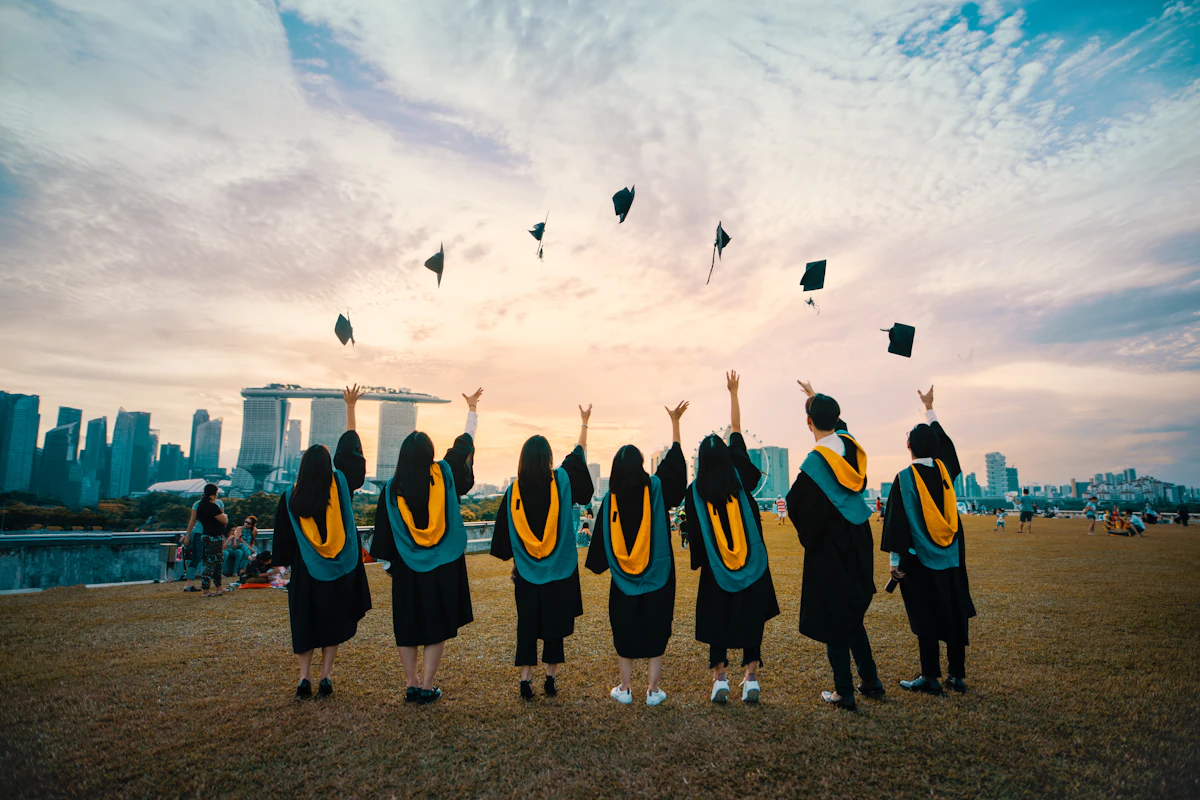
Russian medical universities are globally renowned for their historic legacy and cutting-edge facilities.
Why Choose Russia for MBBS
Indian students have been traveling to Russia for medical studies since the 1990s. In 2026, the reasons to choose Russia have only become stronger:
1. Global Recognition: Degrees from top Russian medical universities are recognized by the National Medical Commission (NMC) of India, the World Health Organization (WHO), ECFMG (USA), and FAIMER.
2. Affordable Tuition Fees: Heavily subsidized by the Russian government, the fees are a fraction of what private medical colleges charge in India.
3. No Capitation Fees: Admission is purely merit-based. There are absolutely no hidden donations or capitation fees.
4. English Medium Curriculum: The entire 6-year course is taught in English specifically for international students.
5. High Quality of Education: The student-to-teacher ratio is strictly maintained at 10:1 to ensure personalized attention.
6. Advanced Infrastructure: Universities are equipped with modern simulation centers, 3D anatomy labs, and massive affiliated government hospitals for clinical practice.
Russia at a Glance
Before moving to a new country, it is essential to understand its basic profile.
| Feature | Details |
|---|---|
| Capital | Moscow |
| Currency | Russian Ruble (RUB) |
| Exchange Rate | 1 RUB ≈ ₹0.90 - ₹1.00 INR (Subject to variation) |
| Language | Russian (MBBS is taught in English) |
| Climate | Continental (Warm summers, cold snowy winters) |
| Flight Time from Delhi | Approx. 6-8 hours |
MBBS in Russia Quick Facts Table
| Parameter | Details for 2026 Intake |
|---|---|
| Course Duration | 6 Years (Including Internship) |
| Medium of Instruction | English |
| Eligibility | 50% in PCB (12th) + NEET Qualified |
| Average Tuition Fee | ₹4.5 Lakhs - ₹6.0 Lakhs per year |
| Average Living Cost | ₹12,000 - ₹15,000 per month |
| NMC Approved? | Yes, fully compliant with latest NMC guidelines |
| IELTS/TOEFL Required? | No |
Need Expert Guidance?
Get a fully transparent, customized fee estimate and university selection help.
Eligibility Criteria
To secure MBBS admission in Russia 2026, Indian students must meet the following fundamental criteria:
Age Limit:* The student must be at least 17 years old by December 31st of the admission year.
Academic Score:* A minimum of 50% aggregate marks in Physics, Chemistry, and Biology (PCB) in the 12th standard board examinations for General category students. For SC/ST/OBC categories, the minimum requirement is 40%.
Subject Requirement:* English must be a mandatory subject in the 12th standard.
NEET Requirements
Is NEET compulsory? Yes. The National Medical Commission (NMC) mandates that any Indian student wishing to study medicine abroad and later practice in India must qualify the NEET-UG examination in the year of admission.
Validity:* The NEET scorecard is valid for 3 years for students taking admission abroad.
Cut-off:* You must score at or above the minimum qualifying percentile announced by the NTA for your respective category.
Admission Process Step-by-Step
The admission process for Study MBBS in Russia is straightforward when done through official representatives like DreamMed Abroad.
1. Counseling & University Selection: Our experts help you choose the best university based on your budget and profile.
2. Application Submission: Submit your 10th and 12th mark sheets along with your passport copy.
3. Admission Letter: The university reviews your application and issues an official Admission Letter (usually within 3-7 working days).
4. Visa Invitation: We apply for your official Visa Invitation Letter from the Ministry of Internal Affairs of Russia. This takes about 3-4 weeks.
5. Visa Stamping: Once the invitation arrives, we process your student visa at the Russian Embassy in New Delhi.
6. Travel & Departure: We organize your air tickets, provide a pre-departure briefing, and arrange group departures with our representatives.
Required Documents
Keep the following documents ready for your application:
* Original 10th and 12th Mark sheets
* Original Passport (minimum 18 months validity)
* NEET UG Scorecard
* 6 Passport size photographs (white background)
* Medical Certificate (HIV negative report)
Visa Process
Obtaining a Russian student visa is a highly structured process. You cannot apply for it without an official Invitation Letter from the university. The visa is initially granted for 90 days. Upon arrival in Russia, the university will assist you in extending it annually for the entire duration of your 6-year medical program.

Students get hands-on experience in state-of-the-art medical laboratories equipped with modern diagnostic tools.
Top NMC Approved Medical Universities in Russia
Russia is home to some of the finest medical institutions in the world. Here are the top NMC approved medical universities in Russia for the 2026 intake:
1. Kazan Federal University
Established in 1804, Kazan Federal is one of the oldest and most prestigious universities in Russia. It is renowned for its massive research output, modern campus in the beautiful city of Kazan, and an incredibly strong Indian student community.
2. Crimea Federal University
Located in Simferopol, Crimea Federal University offers a brilliant medical program with a very temperate climate compared to the rest of Russia. It features a sprawling 100-year-old campus and highly experienced faculty.
3. Bashkir State Medical University
Situated in Ufa, Bashkir State Medical University is a leading center for medical science. It is highly preferred by Indian students due to its focus on clinical practice and a highly supportive administrative staff.
4. Kazan State Medical University
Distinct from Kazan Federal, KSMU is a dedicated, specialized medical university. It boasts an excellent FMGE passing rate and operates numerous affiliated multi-specialty hospitals across the city.
5. Orenburg State Medical University
Orenburg is famous for its affordability and high-quality teaching. It consistently ranks high among Indian students due to its rigorous academic discipline and excellent coaching for the Indian licensing exams.
6. Sevastopol State University
A rapidly emerging choice for medical students, Sevastopol State offers modern infrastructure and a beautiful coastal location, providing a highly conducive environment for long-term medical studies.
University Comparison Table
| University Name | Established | Location | World Recognition | Indian Students |
|---|---|---|---|---|
| Kazan Federal University | 1804 | Kazan | WHO, ECFMG, NMC | Very High |
| Bashkir State Medical University | 1932 | Ufa | WHO, ECFMG, NMC | High |
| Crimea Federal University | 1918 | Simferopol | WHO, ECFMG, NMC | High |
| Kazan State Medical University | 1814 | Kazan | WHO, ECFMG, NMC | Very High |
| Orenburg State Medical University | 1944 | Orenburg | WHO, ECFMG, NMC | High |
Fee Structure 2026
When considering MBBS in Russia fees, it is vital to look at the total package, not just the first year.
Detailed Fee Comparison Table (Approximate per year)
| University | Tuition Fee (RUB) | Hostel Fee (RUB) | Total Yearly (₹ INR approx.) |
|---|---|---|---|
| Kazan Federal University | 4,50,000 | 20,000 | ₹4,80,000 |
| Crimea Federal University | 3,00,000 | 25,000 | ₹3,35,000 |
| Bashkir State Med. Univ. | 3,50,000 | 20,000 | ₹3,80,000 |
| Orenburg State Med. Univ. | 3,20,000 | 25,000 | ₹3,55,000 |
Hostel Fees
Hostel fees in Russia are heavily subsidized, ranging from ₹20,000 to ₹40,000 per year. Rooms are centrally heated and usually shared by 2-3 students.
Food Costs
Indian mess facilities are available at almost all top universities, costing around ₹10,000 to ₹12,000 per month. Alternatively, self-cooking can reduce food expenses to ₹7,000 per month.
Living Expenses
Daily travel, internet, and personal expenses generally cost around ₹3,000 to ₹5,000 per month depending on the city.
Travel Expenses
A one-way flight from Delhi to Moscow costs approximately ₹25,000 to ₹35,000.
Total Budget Estimation
For a standard 6-year medical degree in Russia, an Indian student should budget an estimated ₹25 Lakhs to ₹35 Lakhs covering tuition, hostel, and basic living expenses.
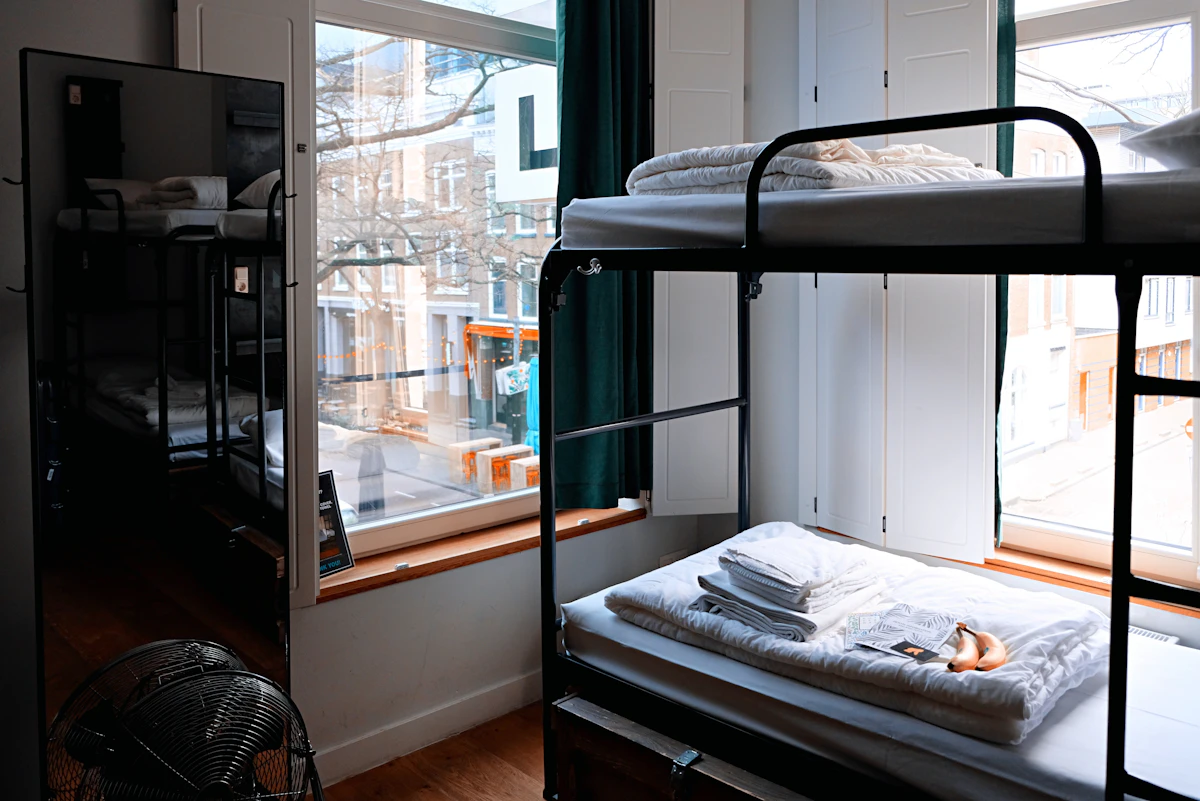
University hostels provide comfortable, centrally-heated accommodations ensuring a safe environment.
Advantages of MBBS in Russia
Affordability:* World-class education at a fraction of the cost.
Infrastructure:* Massive hospitals, simulation centers, and massive libraries.
Safety:* Russia is highly secure for international students with strict campus security.
No Entrance Exams:* No need to clear IELTS or TOEFL.
Disadvantages of MBBS in Russia
Climate:* The extreme cold during winters (often dropping below -15°C) requires adjustment.
Language Barrier:* While classes are in English, communicating with local patients during clinical rotations requires learning basic Russian.
Distance from Home:* 6 years is a long time, and flights can be expensive.
Student Life in Russia
Life as a medical student in Russia is a vibrant mix of rigorous academics and cultural exploration. Universities frequently organize cultural fests, sports tournaments, and medical conferences. Indian festivals like Diwali and Holi are celebrated with massive enthusiasm across campuses.

Indian students actively participate in university life, celebrating festivals and building a strong community.
Weather Conditions
Winters are severe, running from November to March. However, every indoor space—including hostels, classrooms, buses, and malls—is centrally heated. You will only experience the cold when walking outside.
Safety for Indian Students
Is Russia safe for girls? Yes, absolutely. Russian cities are heavily policed, and university campuses have strict security, CCTV surveillance, and curfews. The local population is generally very respectful toward Indians.
Indian Food Availability
You will never miss home food. Top universities have dedicated Indian mess contractors serving authentic North and South Indian meals. Furthermore, Indian groceries and spices are readily available in local supermarkets.
Internship Opportunities
The 6th year of the MBBS program in Russia is heavily focused on clinical rotations. Students work in university-affiliated hospitals, assisting senior doctors in various departments like surgery, pediatrics, and gynecology. This hands-on experience is invaluable.
FMGE/NExT Performance
Graduates from Russian universities have consistently performed well in the Foreign Medical Graduates Examination (FMGE). With the upcoming National Exit Test (NExT), Russian universities have already begun adapting their curriculum to ensure Indian students are well-prepared for the licensing exams.
Career Opportunities After Graduation
A Russian MBBS degree opens doors globally.
Can Students Practice in India?
Yes. After graduating, you must clear the FMGE (or NExT), complete a mandatory 1-year internship in India, and register with the State Medical Council.
Can Students Practice in USA?
Yes. The degree is recognized by ECFMG. You can apply for the United States Medical Licensing Examination (USMLE) to pursue your residency in the USA.
Can Students Practice in UK?
Yes. You are eligible to write the Professional and Linguistic Assessments Board (PLAB) exam to practice in the United Kingdom.

A globally recognized medical degree from Russia opens up limitless career opportunities worldwide.
Country Comparisons
Russia vs Kazakhstan
Russia offers older, more historic universities with deeper research capabilities. Kazakhstan offers a slightly shorter course duration (5 years + 1 year internship) and milder winters in cities like Almaty.
Russia vs Uzbekistan
Uzbekistan is highly affordable and offers a 5+1 year curriculum. However, Russia holds a superior global ranking and a more established legacy in medical science.
Russia vs Kyrgyzstan
Kyrgyzstan is the cheapest option available. Choose Russia if your budget allows it, as the infrastructure and clinical exposure in Russia are significantly superior.
Who Should Choose Russia
Students with a budget of ₹25-35 Lakhs who want a world-ranked degree, are willing to learn a new language for clinical practice, and can adapt to cold climates.
Who Should Avoid Russia
Students looking for a 5-year shortcut, those who cannot tolerate cold weather, or those with extremely limited budgets under ₹20 Lakhs.
Final Recommendation
Russia remains a top-tier choice for medical education in 2026. Its combination of affordability, world-class infrastructure, and global recognition is unparalleled. If you are serious about your medical career and willing to work hard, a Russian university will provide you with an exceptional foundation.
Conclusion
Pursuing an MBBS in Russia in 2026 is a strategic investment in your future. With proper guidance from DreamMed Abroad, you can navigate the admission process smoothly and secure a seat in a prestigious institution. Equip yourself with the right information, prepare diligently, and take the first step toward becoming a globally recognized medical professional.
Frequently Asked Questions
Q1: Is MBBS in Russia valid in India?
Yes, degrees from NMC-approved Russian universities are fully valid in India, provided the student clears the NEET-UG before admission and the FMGE/NExT exam after graduation.
Q2: What is the total cost of MBBS in Russia?
The total 6-year cost, including tuition, hostel, and living expenses, typically ranges from ₹25 Lakhs to ₹35 Lakhs, depending on the university and city.
Q3: Is NEET compulsory?
Yes, qualifying NEET is legally mandatory for any Indian student who wishes to study medicine abroad and practice in India later.
Q4: Can I get Indian food?
Absolutely. Almost all major Russian medical universities popular with Indian students have dedicated Indian mess facilities serving hygienic vegetarian and non-vegetarian food.
Q5: Is Russia safe for girls?
Yes. Russia is considered highly safe for international students. University campuses have 24/7 security, and local laws are strictly enforced.
Q6: Can I appear for NExT?
Yes, graduates from Russian medical universities are fully eligible to appear for the National Exit Test (NExT) to obtain their medical license in India.
Q7: Are the classes taught in Russian?
No. The entire 6-year MBBS curriculum for international students is taught entirely in the English language.
Q8: Do I need to learn the Russian language?
While classes are in English, the university will teach you the Russian language as a subject during the first few years so you can interact with local patients during your hospital clinical rotations.
Q9: Is IELTS or TOEFL required?
No. Russian medical universities do not require IELTS or TOEFL scores for admission to their English-medium MBBS programs.
Q10: What is the duration of the course?
The MBBS program in Russia is 6 years long, which includes clinical rotations and internships at affiliated hospitals.
Q11: Are there any hidden fees?
At DreamMed Abroad, we ensure 100% transparency. There are no capitation fees or hidden "donations" required for admission to Russian government universities.
Q12: Can parents visit their children in Russia?
Yes, parents can easily apply for a tourist visa to visit their children in Russia. The university can also assist with providing necessary supporting documents.
Q13: Are educational loans available?
Yes. Since these universities are NMC-approved, major Indian public and private banks readily provide education loans. DreamMed Abroad assists with the necessary admission letters required for loan processing.
Q14: How is the climate? Will I survive the cold?
Russian winters are cold, but all infrastructure (hostels, classrooms, transport) is centrally heated. Once you buy proper local winter gear, adapting to the weather is quite manageable.
Q15: How do I apply for the 2026 intake?
You can start by contacting DreamMed Abroad. We will evaluate your profile, suggest the best universities, and handle the entire admission, visa, and travel process for you.